

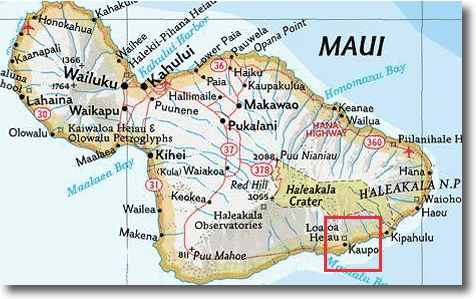
 Barely a month after hiking the Haleakala Crater to Paliku Campsite, we were back in Maui to hike the remainder of the trail that goes from Paliku Campsite down to the Kaupo Ranch Trailhead. The remaining distance was less than 12 km (7 mi) but a whopping 1800 m (5800 ft) elevation change over that relatively short distance. Instead of going down, as most do, we were going to hike up and down in a single day, meaning 24 km (14 mi) and 3600 m (11,600 ft) of total elevation change.
Kipahulu to Kaupo
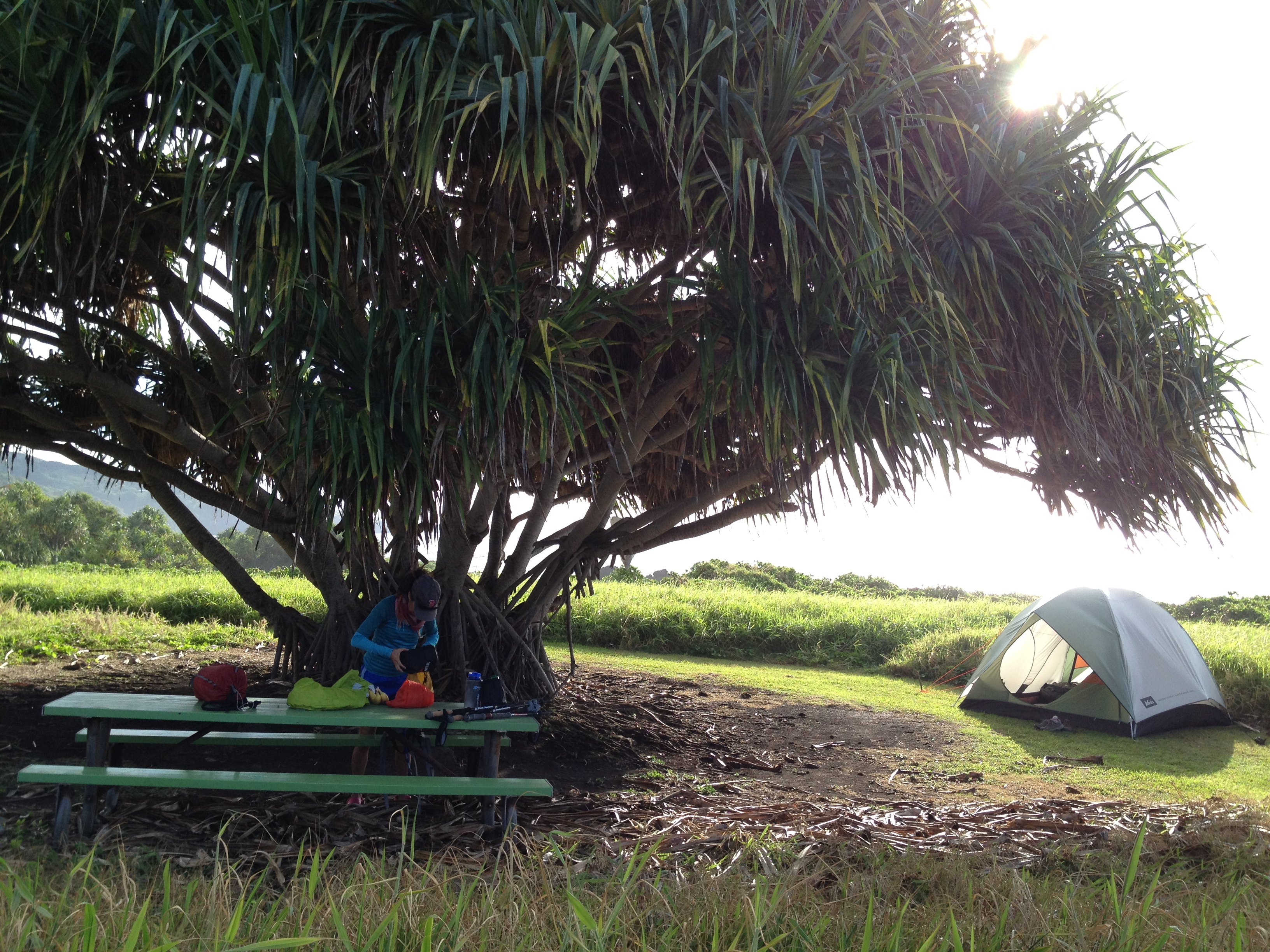 We left the world’s greatest campsite at Kipahulu shortly after breakfast and continued clockwise around the island. The village of Kaupo is 13 km (8 mi) from the Kipahulu Area of Haleakala National Park but getting there involves one of the most torturous roads, at times both dirt and paved, in the Hawaiian Islands. There are sharp turns that require horns, and even with warning, meeting an oncoming car in the wrong moment would be disaster. It is a beautiful but deserted drive through the least-populated part of Maui.
Kaupo Trailhead
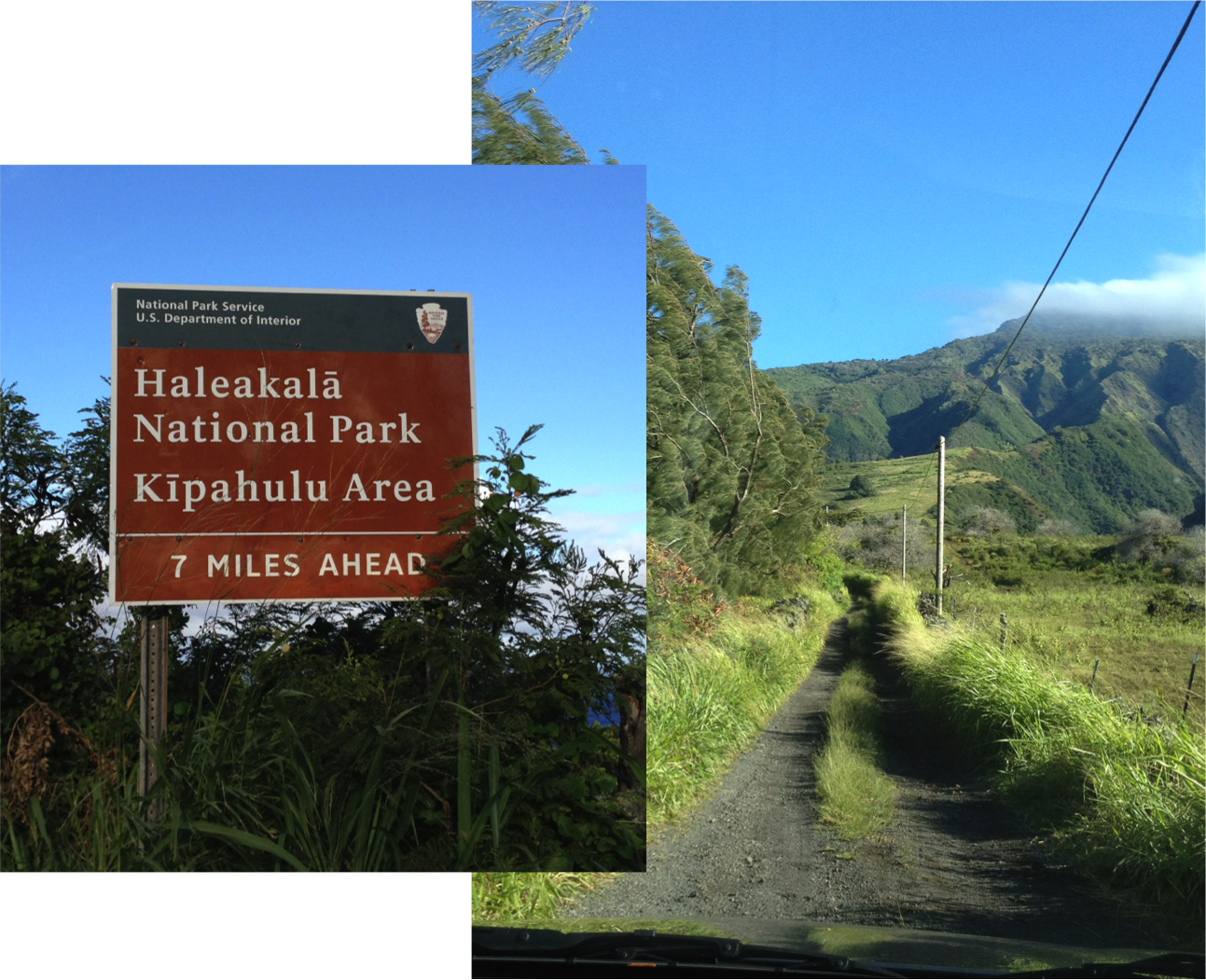 At the end of this isolated section and about 100 m before the Kaupo Store (and immediately to the right of the Haleakala National Park sign that you’ll need to see in your mirror, as it faces the other way), is the road that takes you to the trailhead itself. If you thought the road to get this far was rough, wait until you see the final stretch of narrow, broken pavement with tall grass growing in the center that leads to the trailhead.
Kaupo Ranch
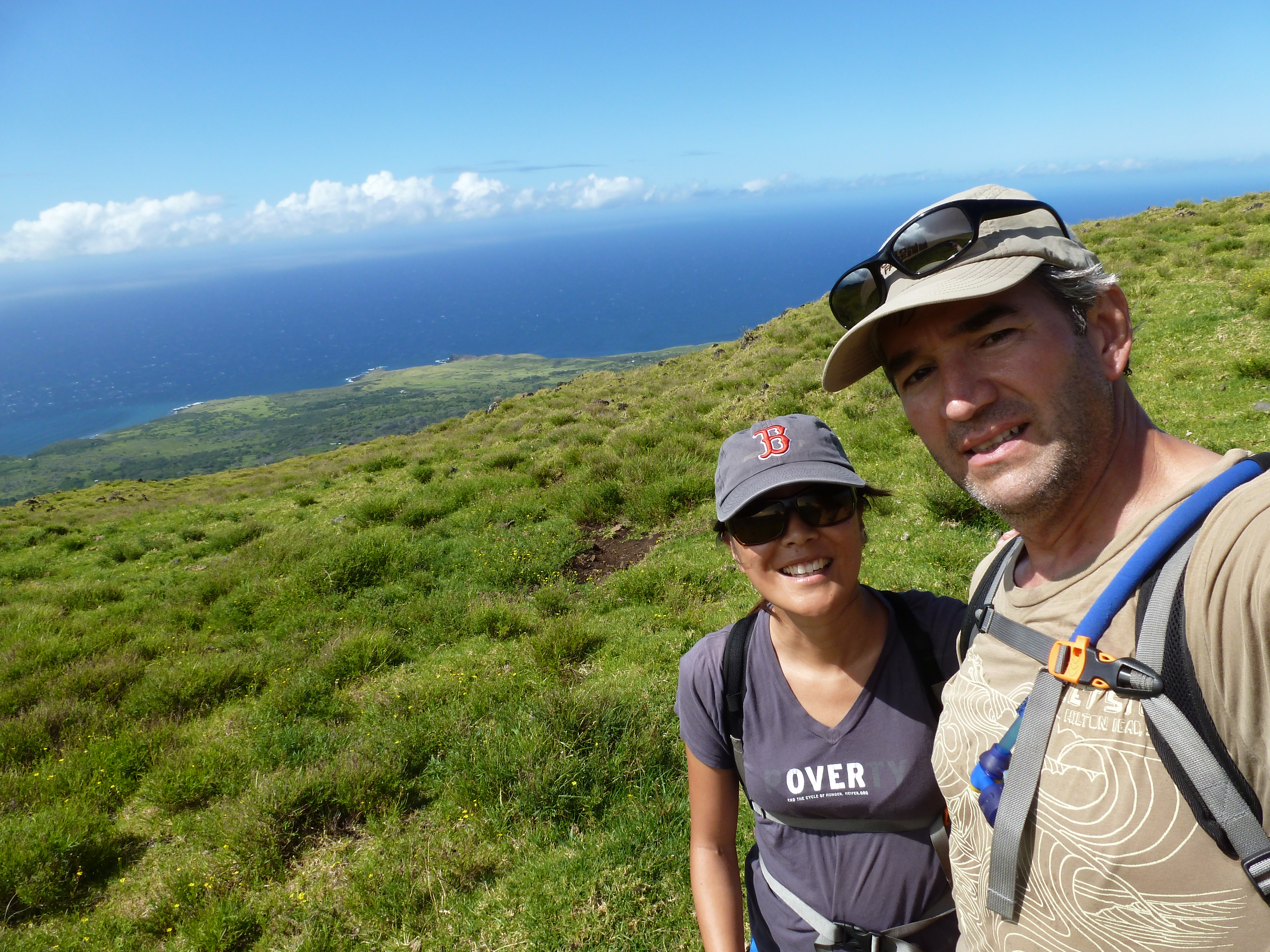 The trail begins by crossing the Kaupo Ranch, owned by the Baldwin Family since the early days of Hawaiian settlement by Westerners. The trail wanders between wooded paths and ranch roads and at time is steep enough to make traction on the loose lava rocks a challenge. The day was getting warm by late morning and we were happy to make it to the woods at the edge of the Ranch that mark the start of the Haleakala National Park.
Entering Haleakala
 While the cool shade was a relief, walking through the high grass was treacherous as it disguised the large lava rocks and holes beneath. We stepped carefully to avoid injuries but didn’t want to slow our very fast pace. It is a dangerous but gorgeous landscape that is beautifully green and lush, a reminder of the constant rains that come as the Trade Winds blow clouds into the peaks above.
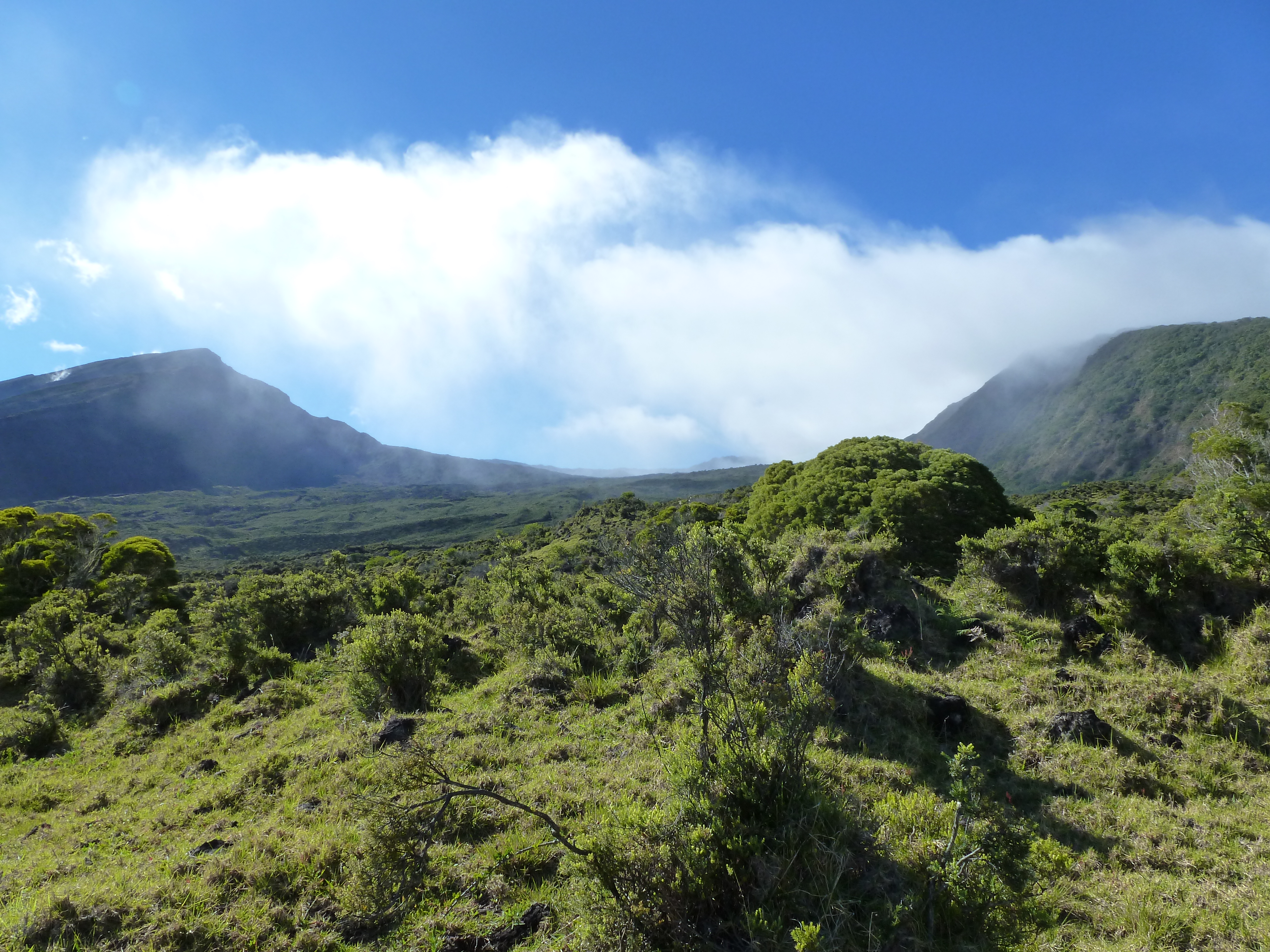 Once through the grasslands, the trail climbs a series of perpendicular ridges, each a moment of hope that became just the top of another rise. The trail was good and even appeared to be at times a massive, ancient undertaking like some of the trails we’ve seen in Nepal and Europe.
We were surprised to see little water along the way and few waterfalls along the high ridges to our right as we climbed. This made reaching the water supply at Paliku an important objective as we finished most of our water in the heat of the way up.
Paliku Campsite
 Arriving at Paliku Campsite was very similar to our previous hike, with light rain gradually increasing and the temperature dropping as we arrived at what must be the coldest, wettest place in Maui. We made tea near the cabin and finished just as the rain really started to fall. We were quite cold and hurried to make our way back down below that not-so-tropical zone.
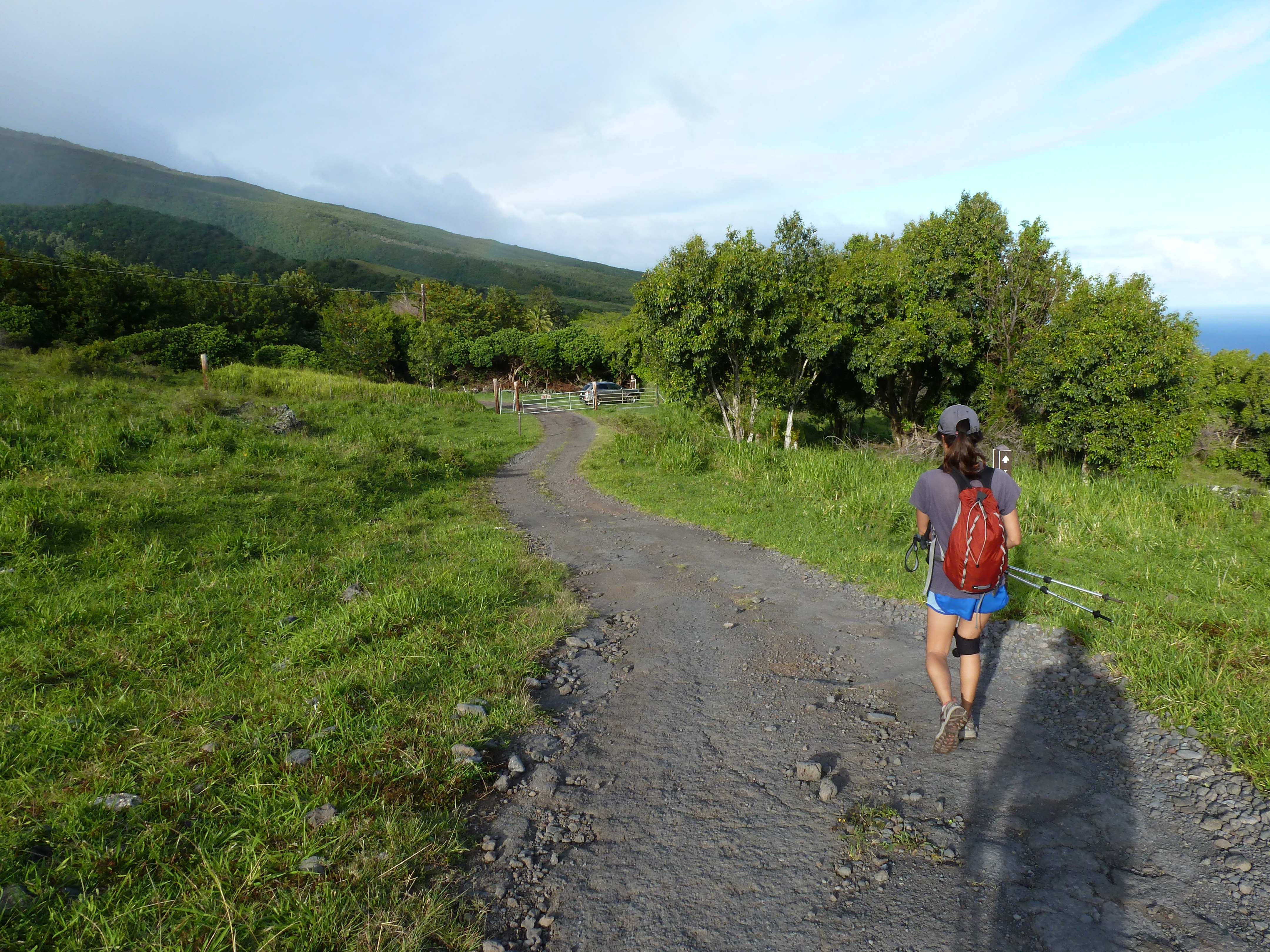 Getting back down was easier but didn’t go significantly faster that our ascent, as so many sections had loose footing or grass-hidden obstacles. We were very sore when we finally reached the car, but realized we had just completed a significant challenge, perhaps one of the toughest we’ve done. We’ll be back to Maui, but first we need to tackle the Big Island and its even higher heights.






 maximum adventure
May 10, 2012 at 2:04 pm
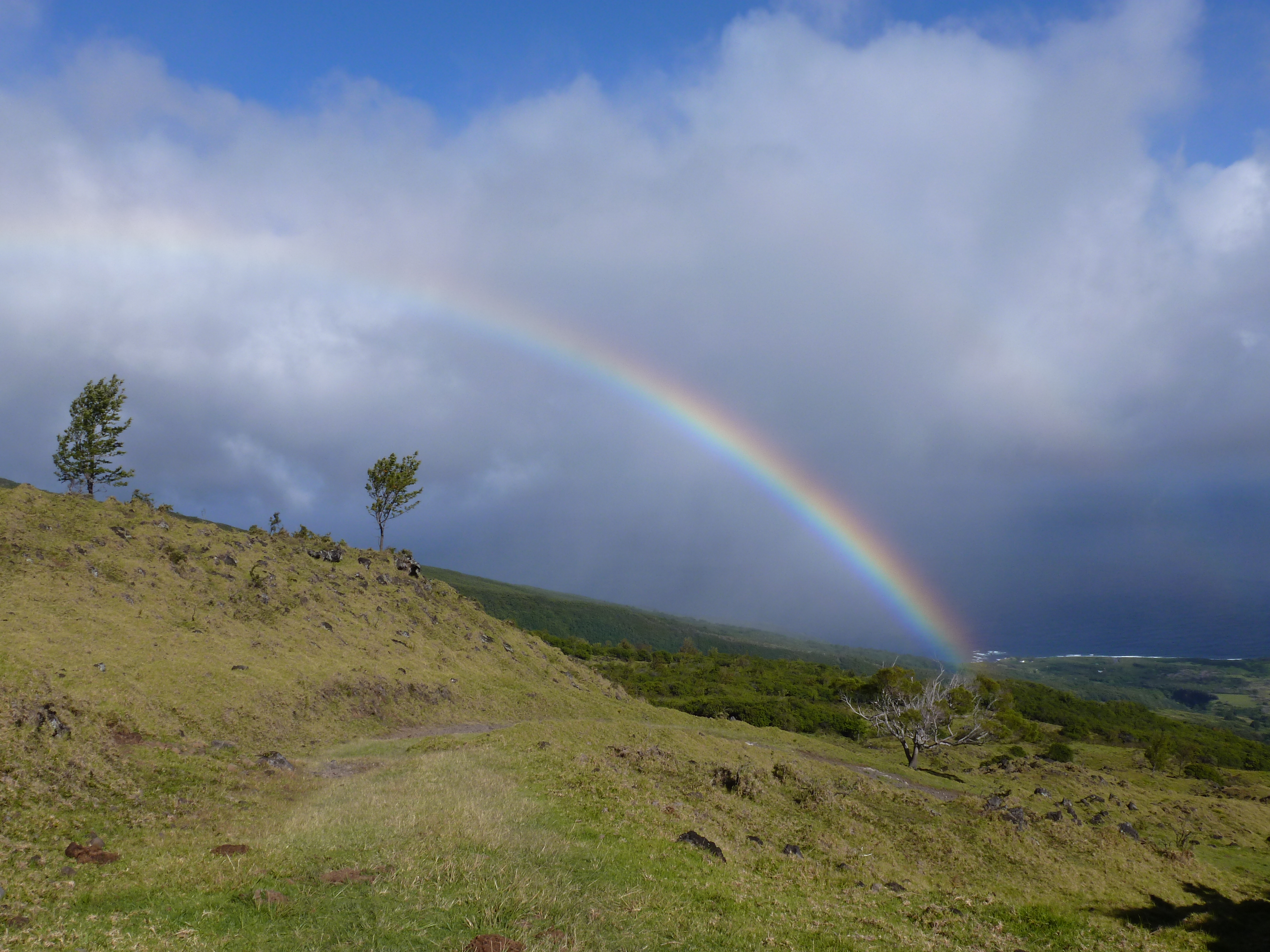
Nice rainbow photo!
May 10, 2012 at 4:03 pm
Thanks!