

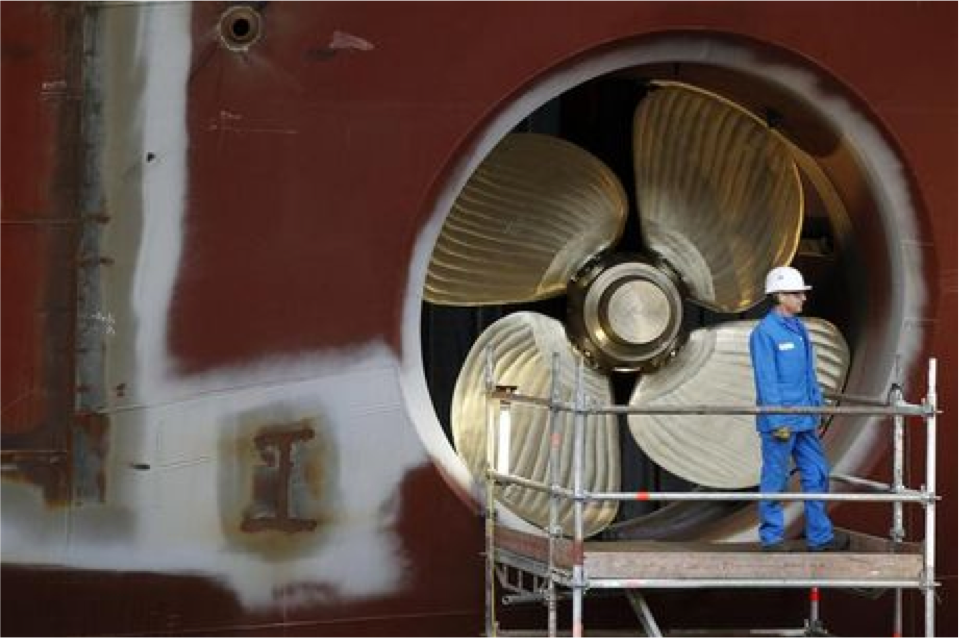
 The news broke the same day we arrived in France for the 2011 Holidays, “A Beautiful Christmas Present for the Shipyard at Saint-Nazaire.” Viking Ocean Cruises of Norway signed a contract to build two luxury cruise ships at the Chantiers Atlantique in the city of 70,000 people near the mouth of the Loire River. These are enormous ships able to carry 888 passengers in 444 luxury cabins and to sail the oceans of the world.
Character
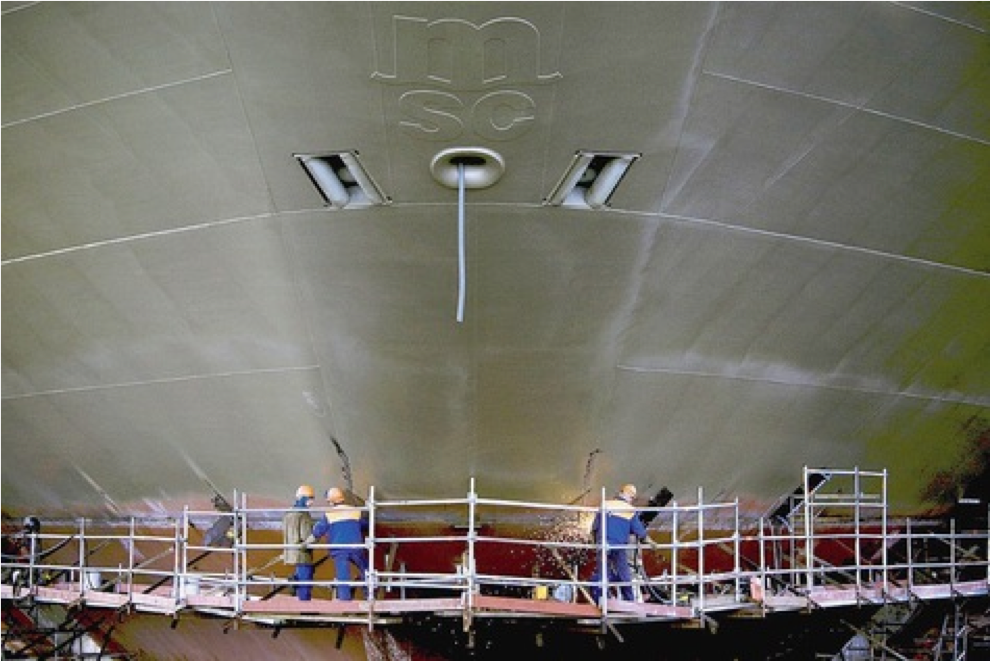 In this part of the world, far from The Eiffel Tower and Montemarte, this cruise ship order was truly a Christmas present. The amount of work has already been calculated as 4.5 million hours in a city that feeds and clothes itself by an hourly wage at one of two places, the Shipyard or at the nearby Airbus facility. When most people imagine France they see a land of cafes, art and beret-wearing men riding bicycles with baguettes in the basket. When you leave the beaten path, however, you find out the essential character of a place, and Saint-Nazaire is a great example of character. This is a city that has been at the crossroads of history and sometimes paid the price. Through war and economic strife, it continues to be an essential part of France that stays outside the tourism guides.
Les Chantiers
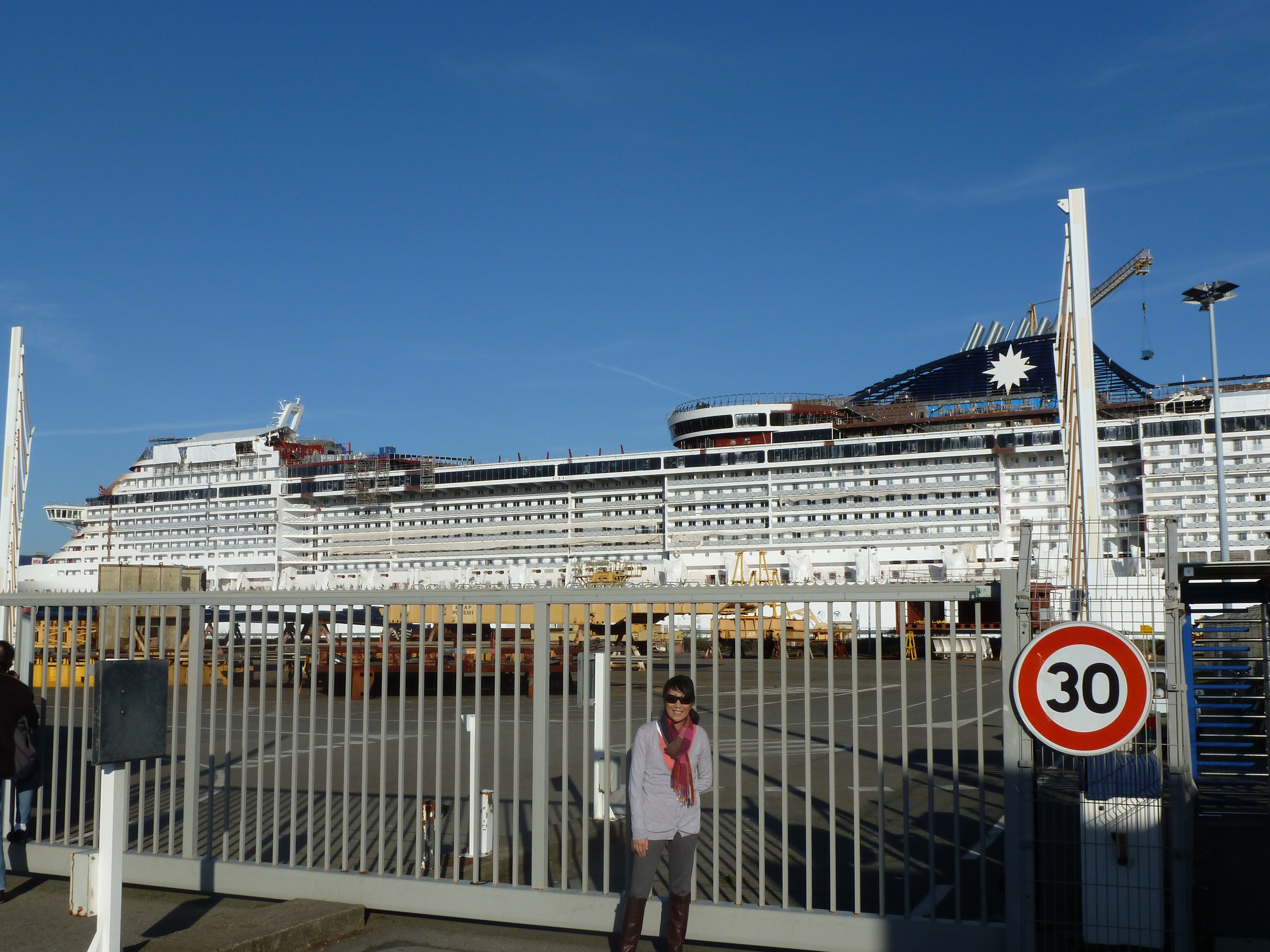 Any exploration of Saint-Nazaire starts at the Les Chantiers Atlantique, the largest employer and largest group of buildings, cranes, railroad lines and dry docks in the city. Les Chantiers employ around 2,000 permanent designers, engineers, technicians and tradesmen and the population swells to over 8,000 when the yard is fully engaged building four to five ships simultaneously. This is the ideal situation for the city and its workforce, but hasn’t been the case for ten years or more.
Khaddafi’s cruise ship
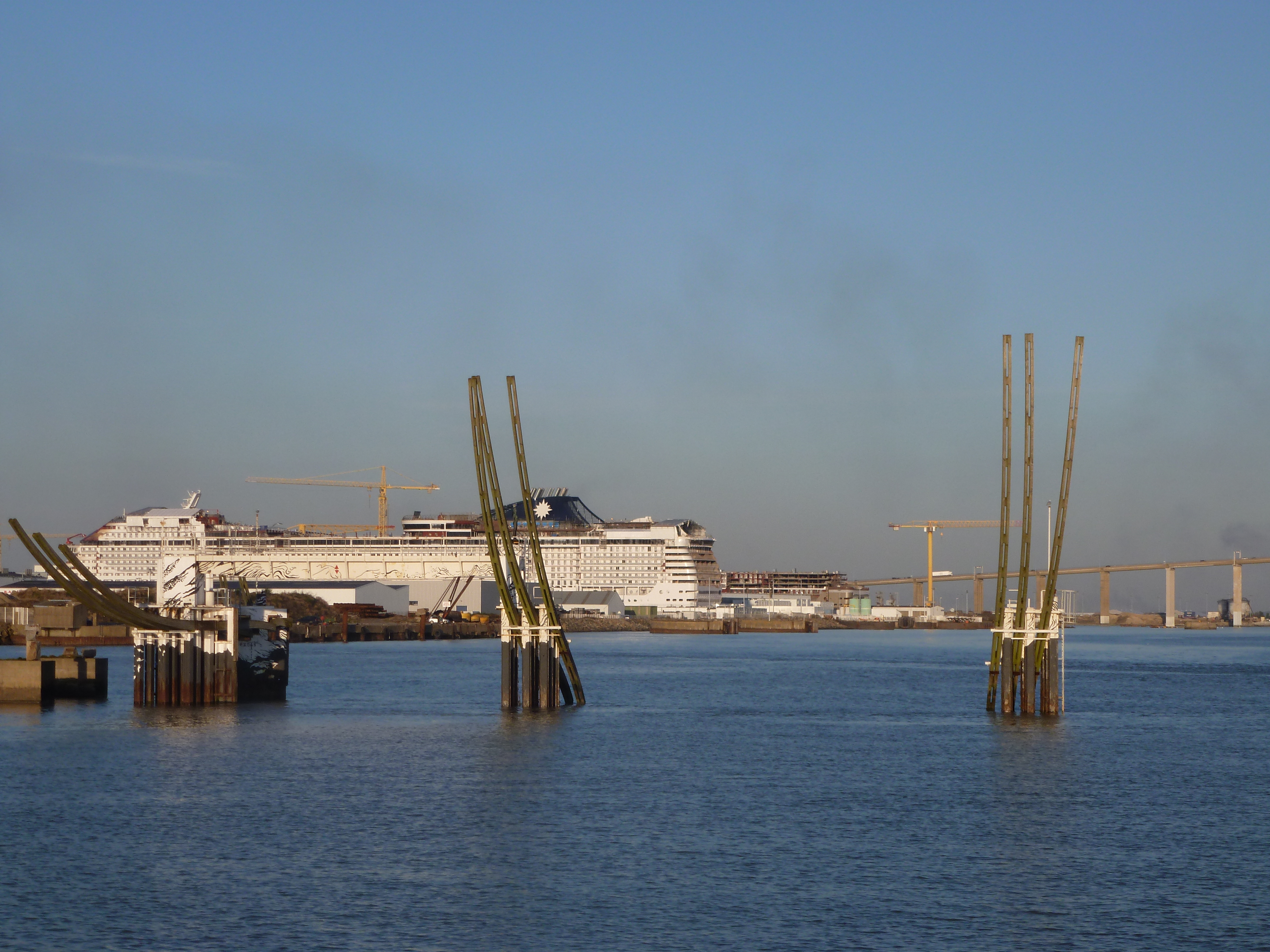 In an interesting side note, Khaddafi’s government in Libya ordered a cruise ship to be built by the shipyard, and much of the work was done before the recent revolution in Libya caused payments to cease. STX Europe, the owners of Les Chantiers, are currently taking bids so that they can resell the ship that would have been the SS Phoenicia based in Tripoli. The partially built ship can be seen in this picture just to the right of the SS Divina.
In the foreground of the same picture is the memorial to the slaves who were victims of the “Triangle Trade” that brought slaves from Africa to the New World colonies, and then goods from the colonies to Nantes, 45 km up the Loire River.
The waterfront
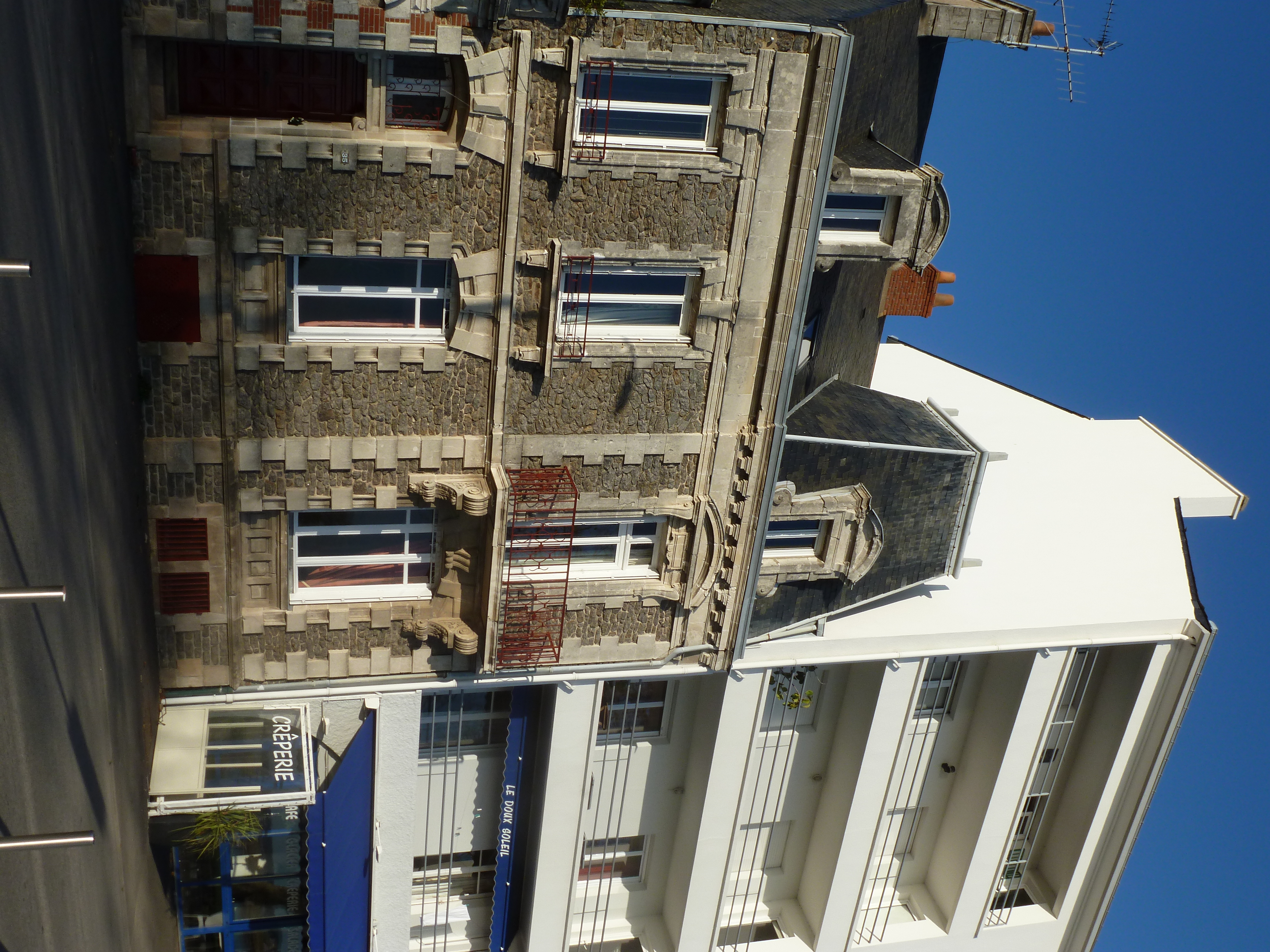 The extensive Saint-Nazaire waterfront apart from the shipyard is mostly ‘remblai’, the French word for promenade. Houses line the street that fronts the water, including a few stately, older mansions separated by newer homes that were constructed in the gaps left by Allied bombs in the 1940’s. Very much unlike Paris with street after street of consistent architecture, the bombing made Saint-Nazaire a city of very old next to relatively new. Saint-Nazaire is also one of the only cities in France laid out in a grid pattern, much like New York City, thanks to American engineers that helped rebuild after the war.
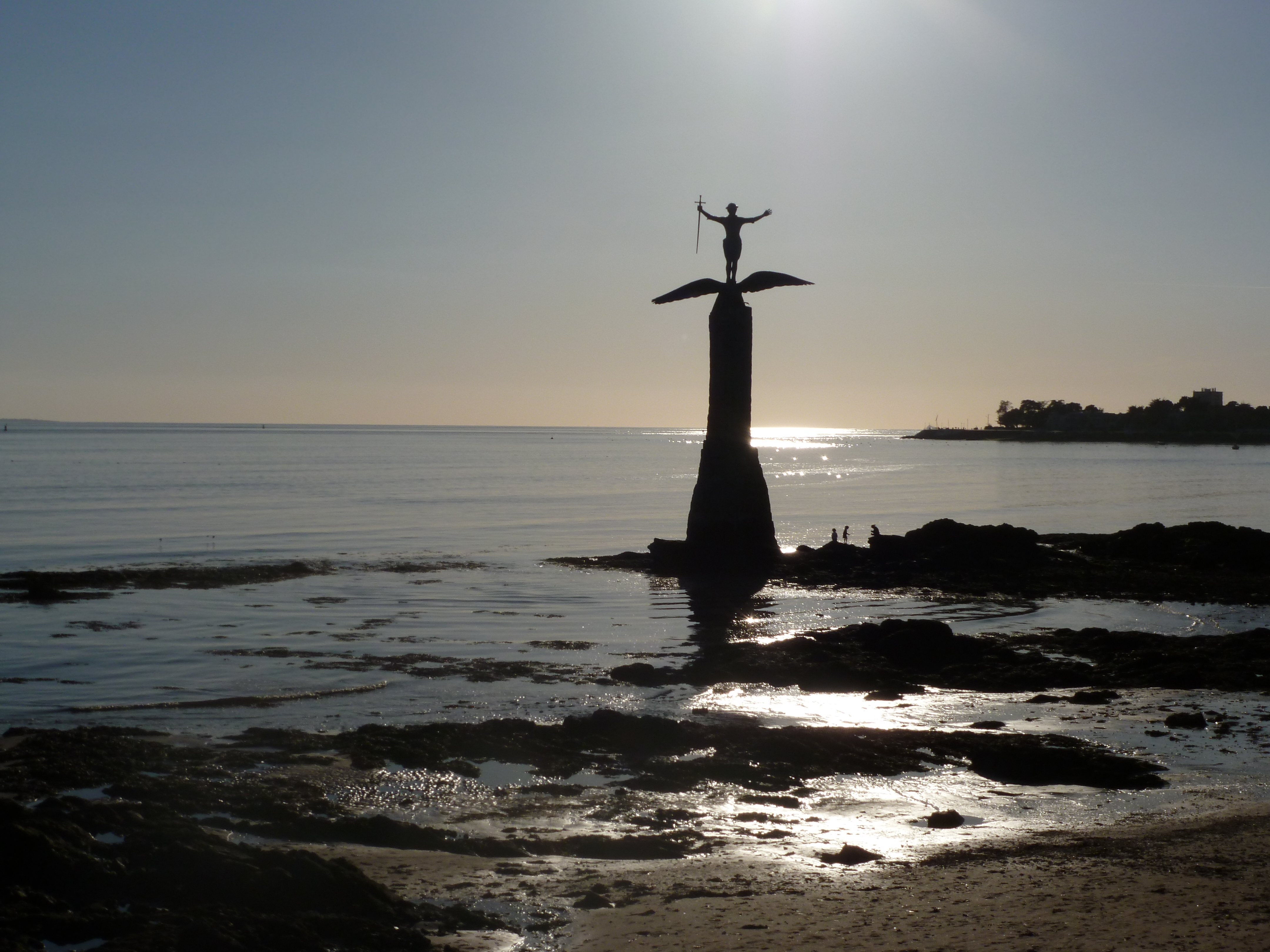 Also along the waterfront is the statue that commemorates the American presence in World War I. This statue is a replacement for one that was destroyed by the Germans during the Occupation and is an exact replica of the prior one. Rumor has it that the Germans used the metal from the statue to make artillery shells used against the Allies, which is an interesting story but tough to prove.
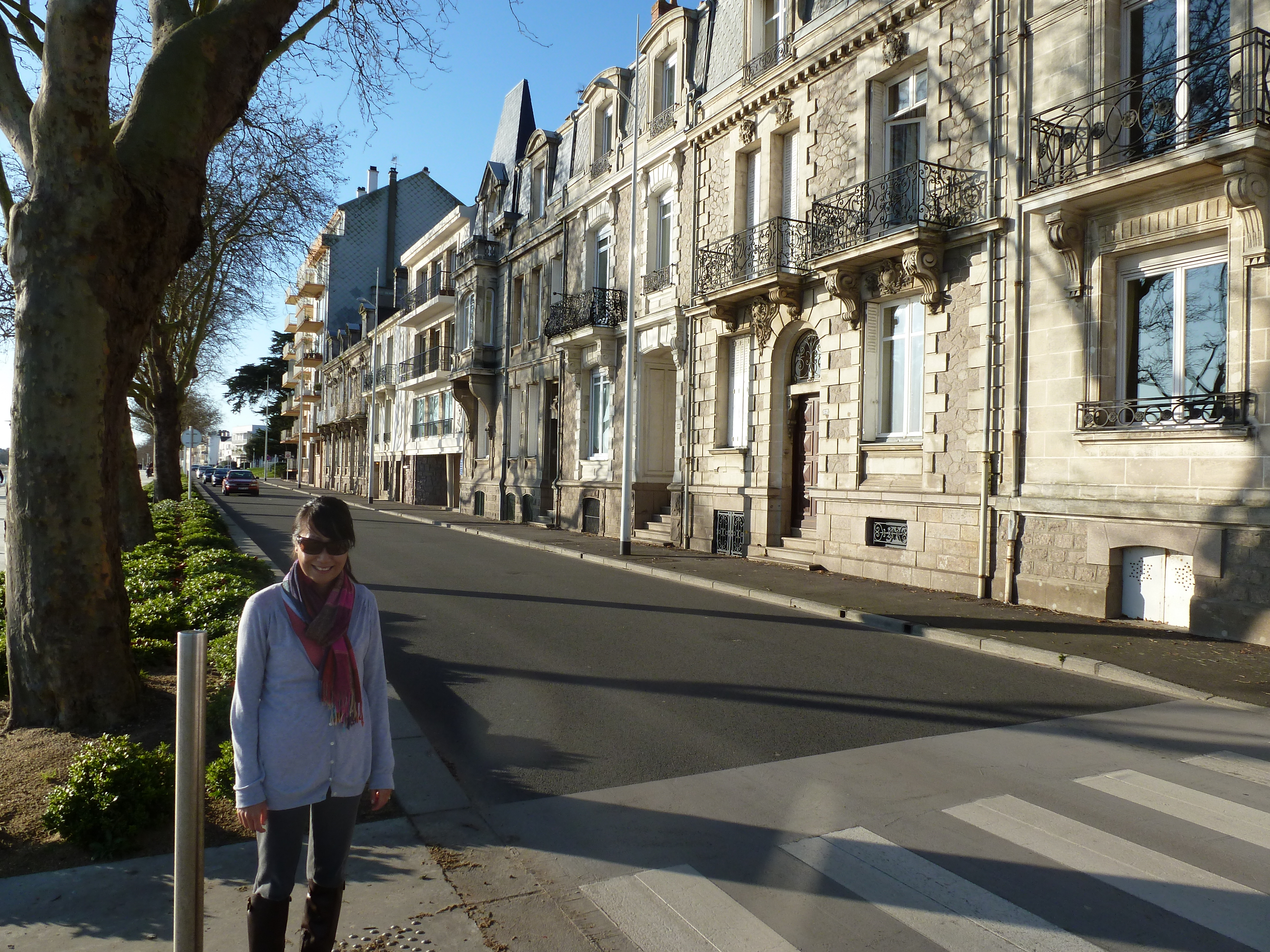 This connection to the United States extends beyond the statue and the street design. The waterfront street is called Boulevard President Woodrow Wilson, and there is still an area known as the American Camp to locals, fifty years after the Americans packed up and left.
Ancient history
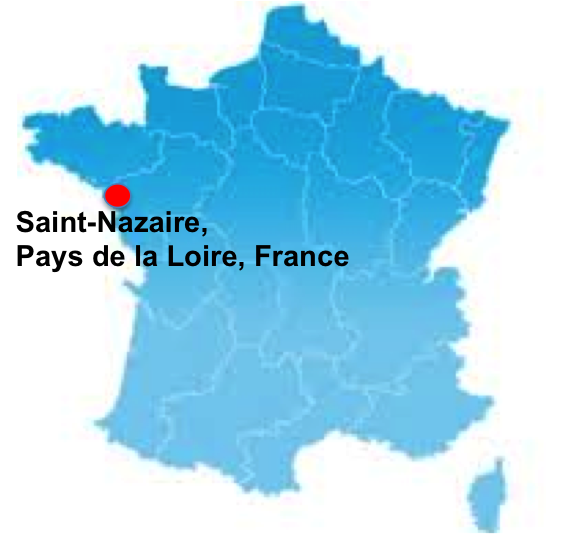 First evidence of a city on the Loire Estuary points to the Neolithic Period (10,000 BC) but the first historical records show that by 56 BC, the local Namnetes people fought the expanding Roman Empire and lost, settling into being part of Roman civilization with the largest city being Portus Namnetum, later known as Nantes, and a smaller city, Corbilo, known now as Saint-Nazaire. These cities together were the south eastern extent of Breton, a Celtic language more in common with Ireland and Wales than the rest of France. More surprising, this peninsula that extends far into the Atlantic formed the Dutchy of Brittany and was independent until 1532, contributing to its very strong character as one of the later additions to the France of today.
Wartime history
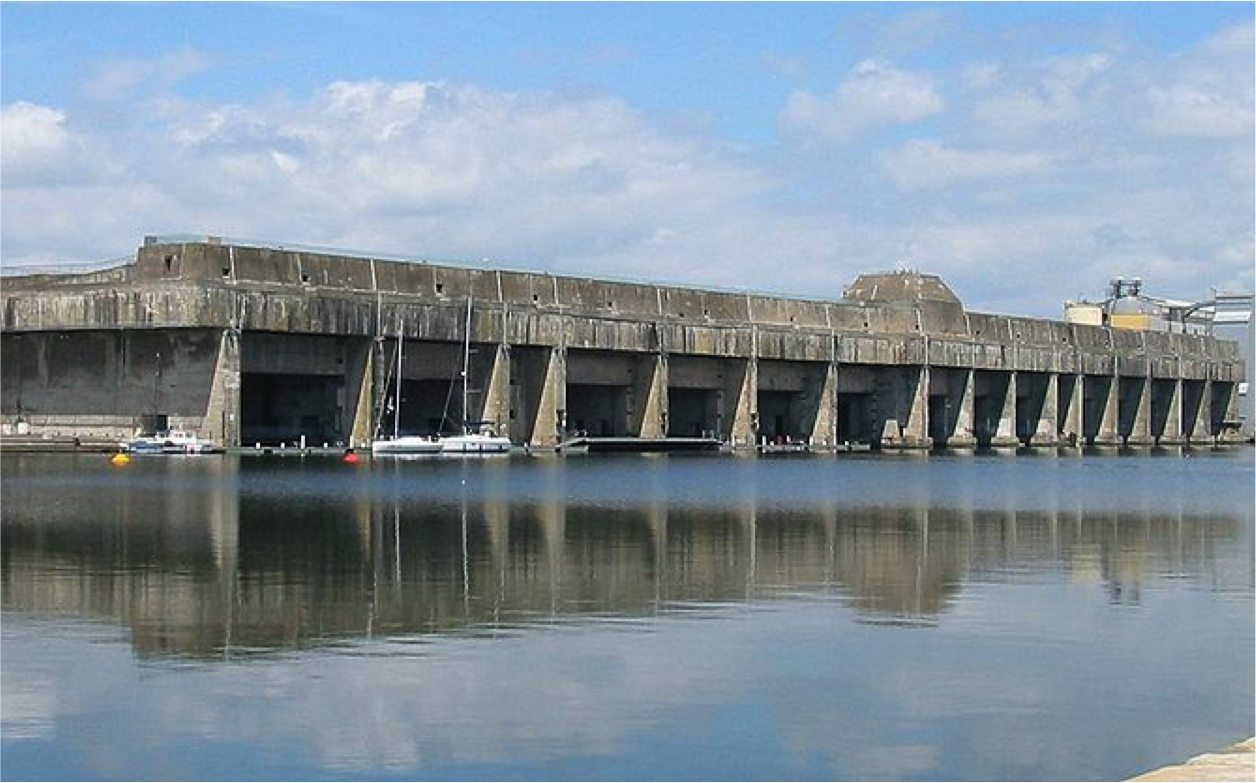
The excellent strategic position of Saint-Nazaire on the Atlantic and its deep port made it a significant gateway for the Allies during World War I, and a U-boat base for the Germans during World War II. Submarine pens with concrete 9 m (30 ft) thick were constructed to prevent Allied bombs from shutting down the port, and those bombs instead destroyed everything around the port. The enormous submarine pens, too large to easily tear down, remain today along with several German blockhouses that guarded the port during the war.





 maximum adventure
Trackbacks/Pingbacks
[…] us ← France outside the tourism guides: Brittany and Saint-Nazaire […]
[…] The following is a continuation of Mera Peak Expedition — Acclimatization in Khare […]