

The following is a continuation of Mera Peak Expedition — Arriving in Basa
Challenges
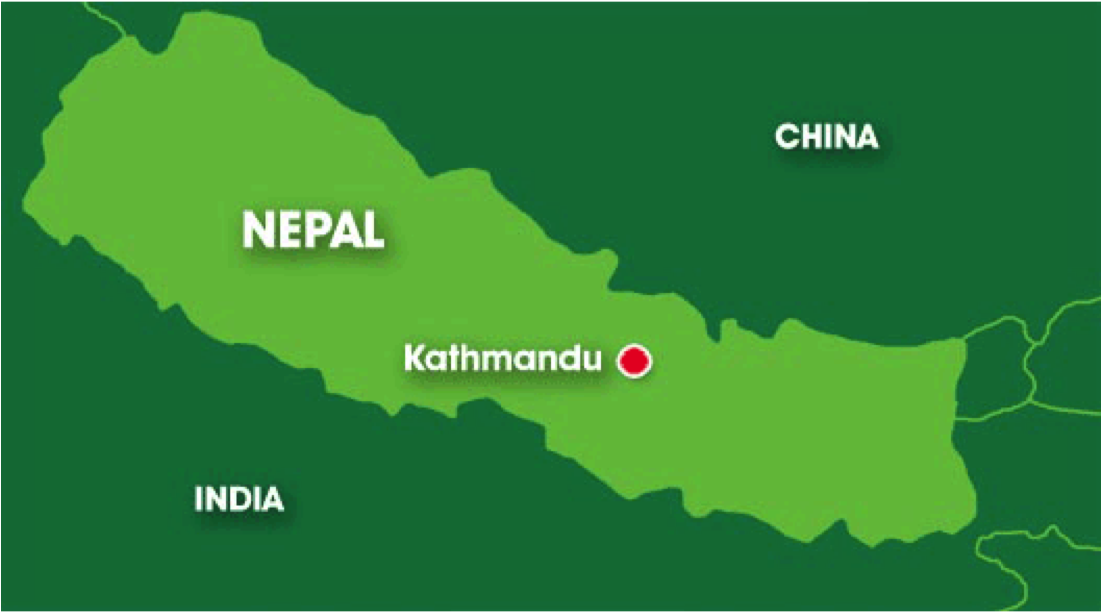 Nepal is a great example of what happens when extremely poor meets well-meaning. Westerners have been coming to Nepal in large numbers for several decades because of its amazing mountains and equally amazing people. Westerners have opened their hearts and pocketbooks and donated time and money to the country, especially along the popular trekking routes like the Annapurna Circuit and the trek to Everest Base Camp. The outcome of all of this well-meaning effort and money has been:
- A great decrease in the infant mortality rate, but this has led to a population explosion in villages that can’t feed ever increasing numbers of people
- Construction of tourist-serving tea houses at higher and higher altitudes, but this has led to deforestation and pollution of very fragile alpine environments
- Growth in population of the few large cities like Kathmandu and increasing Western-style services, but this has led to crime and water and power shortages
- An influx of large sums of money from tourism but increasing disparity between the ‘popular’ parts of the country and the forgotten areas unserved by tourism (exacerbating tension between poor and wealthy and adding fuel to a Maoist insurgency that only ended a few years back)
Every one of these issue came about while the government and the private sector worked very hard to attract tourists to Nepal. There were no ‘brakes’ on economic activity or change.
Effects of change
All change suffers unforeseen consequences, and change without careful thought has disastrous side effects. Most of the changes happening in Nepal are unplanned and the effects of that are moderate to severe in many areas. One of the challenges of trekking has become the opening of new areas to tourism so that revenue can continue to pour in from tourists looking for ‘traditional Nepal’, which in turn affects the new areas so profoundly that ever newer areas need to be opened to meet this demand. A tragic cycle that needs to be interrupted.
Leadership
 Positive change requires great leadership, and the village of Basa, high above the Dudh Kohsi in the Solu Region has been fortunate to have leadership that understands the danger of thoughtless change and benefit of community involvement. Basa matters so much because it is emerging as a model of sustainability that might just work as a template for how to bring progress without destroying paradise.
Basa’s advantages
Basa has benefited greatly from managed change that, to date, brought:
- Two school buildings – The first by a French-Canadian students group in 2002 and the second by SolHimal, a French NGO, in 2006 with strong guidance from traditional village elders working with a newly-created school board to manage educational needs
- Erosion control – 5000 trees were planted in 2010 by the villagers in a ‘tree farm’ to be a source of seedlings for use around the village, and another 5000 in 2011 by the Basa Village Foundation, a Nepal-based foundation. Additionally, fences were built to protect the seedlings from grazing cattle.
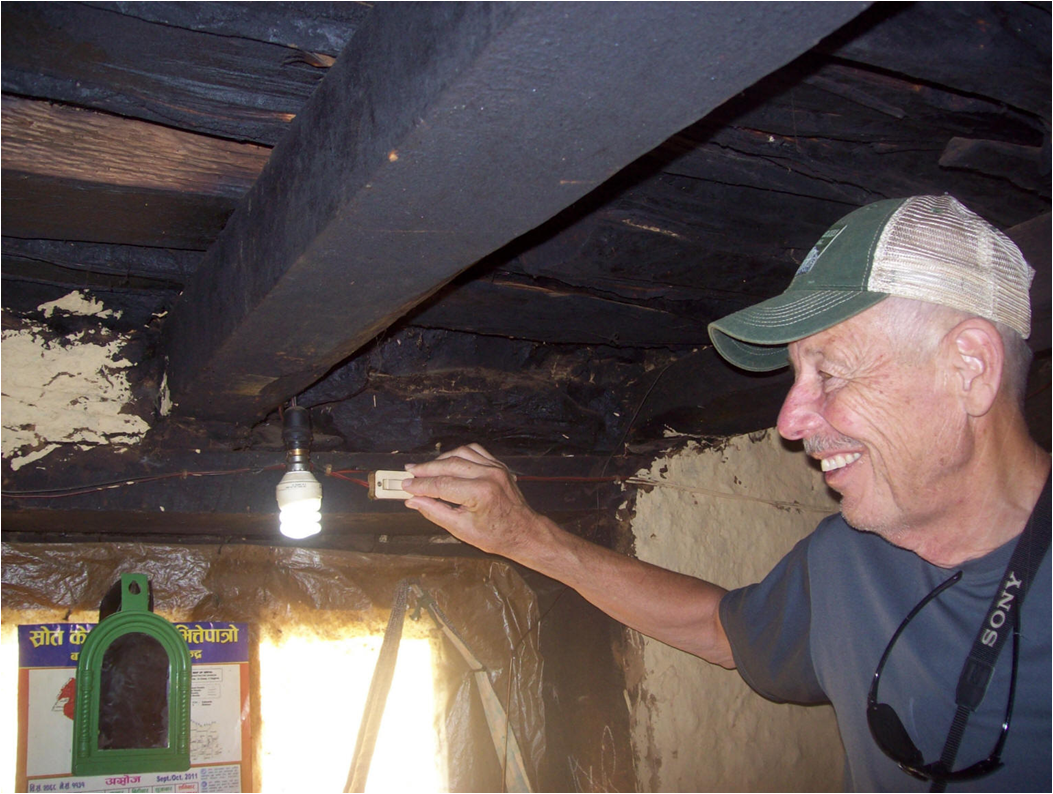
- Hydro power generation – Electricity came to Basa in March 2011 thanks to hard work by the villagers and capital provided by First Friends Basa Village Project, funded from the US
- Clean water – Four cisterns were build by a combination of a local mothers group with help from the Nepali government, two of which are still in operation
- Smokeless stoves – Also in 2011, smokeless stoves were installed in the 62 homes that make up Basa 6. While emphysema is no longer considered a killer in most of the world, it is still a major health problem in Nepal where indoor, unventilated stoves result in significant health issues.
- Laptops – October 2011 brought laptops to the Basa school and the chance for village children to keep up educationally with their counterparts in Kathmandu and the rest of the world
- Opportunities for employment with Adventure Geo Treks, a trekking company owned by Niru Rai, also from Basa
These changes set Basa apart from other places that haven’t been ‘adopted’ by outsiders and graced with strong leadership.
Advantages to come
With some of the biggest obstacles tackled, there is still progress to be made. The following have been identified as opportunities to continue the great work:
- Toilets and septic tanks
- Fixing/completing the drinking water system
- Computer training
- Internet access
 Each of these projects will be managed in the same fashion as the previous ones. A proposed design and cost will be created by the village leadership before fundraising will begin. Once the funds are available, the project will be executed by the local people who need to have ownership and continue to own and maintain whatever is put in place. The benefits of this model are obvious when you see the results in this one corner of Nepal.
What it matters
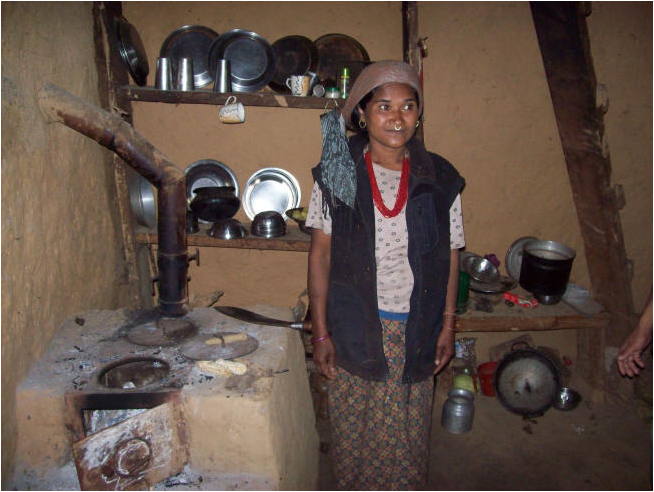 This matters so much because it provides a tangible example of how well-meaning people can have a positive effect in a place that has so many needs without damaging culture or creating dependency. Every change that has taken place in Basa happened with guidance from village leaders and participation by the villagers themselves and wasn’t reliant on outsiders volunteering to bring temporary skills (and temporary benefits). When it was time to install 62 smokeless stoves, it was done in every house in the village, regardless of social or economic status, and it was done quickly. The community is highly involved and this makes change in Basa a positive thing.
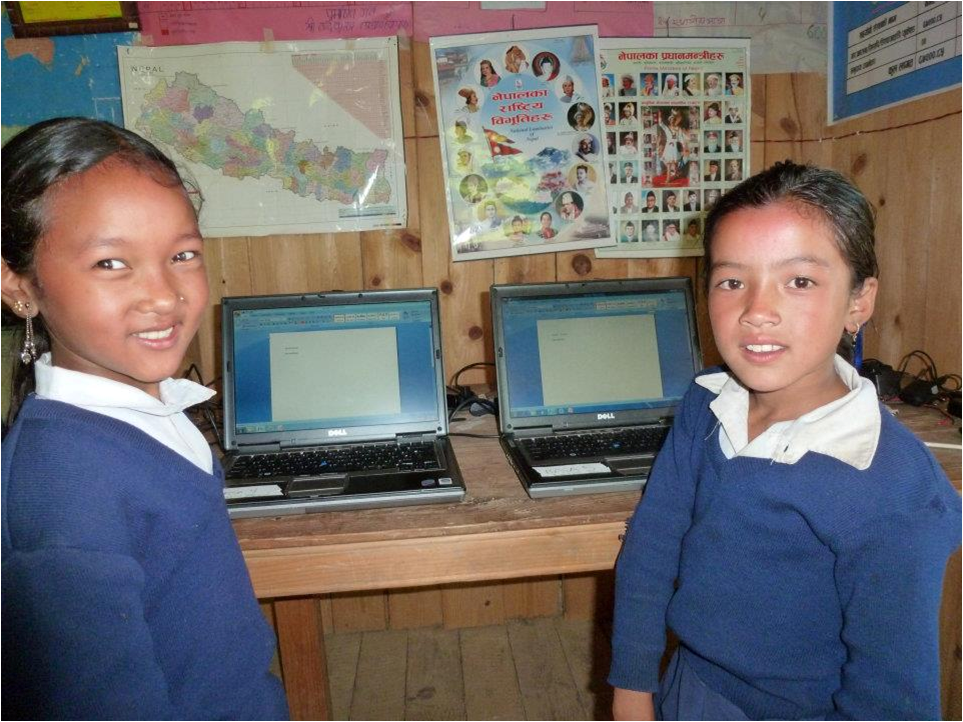 Additionally, not everyone can stay and continue farming in Basa due to the increase in population caused by the lowering of infant mortality before the introduction of family planning. By offering a great education, the children who will leave the village won’t simply become an unskilled, unwanted problem in the cities. The real progress is in having choices.
More information
To get more information on what’s happening in Basa, visit Basa Village Foundation USA or Jeff Rasley’s site. Jeff has been the leader of the First Friends Basa Village Project and has done an outstanding job of raising awareness and funding for Basa. If you’d like to get involved or support these projects financially, please contact us and we’ll let you know what you can do.
Up next: Mera Peak Expedition — Spending a day in paradise




 maximum adventure
November 12, 2011 at 8:04 am
Nicely done, Chris. I hope your blog creates more interest in the Basa Village Project as well as interest in development projects following our model.
November 12, 2011 at 3:37 pm
Very nicely done. Thanks Chris for sharing.
November 13, 2011 at 7:47 am
Great stuff! Congratulations on creating a ‘template’ for other NGOs to follow!
November 14, 2011 at 12:19 pm
Awesome Chris, I look forward to watching this project grow