

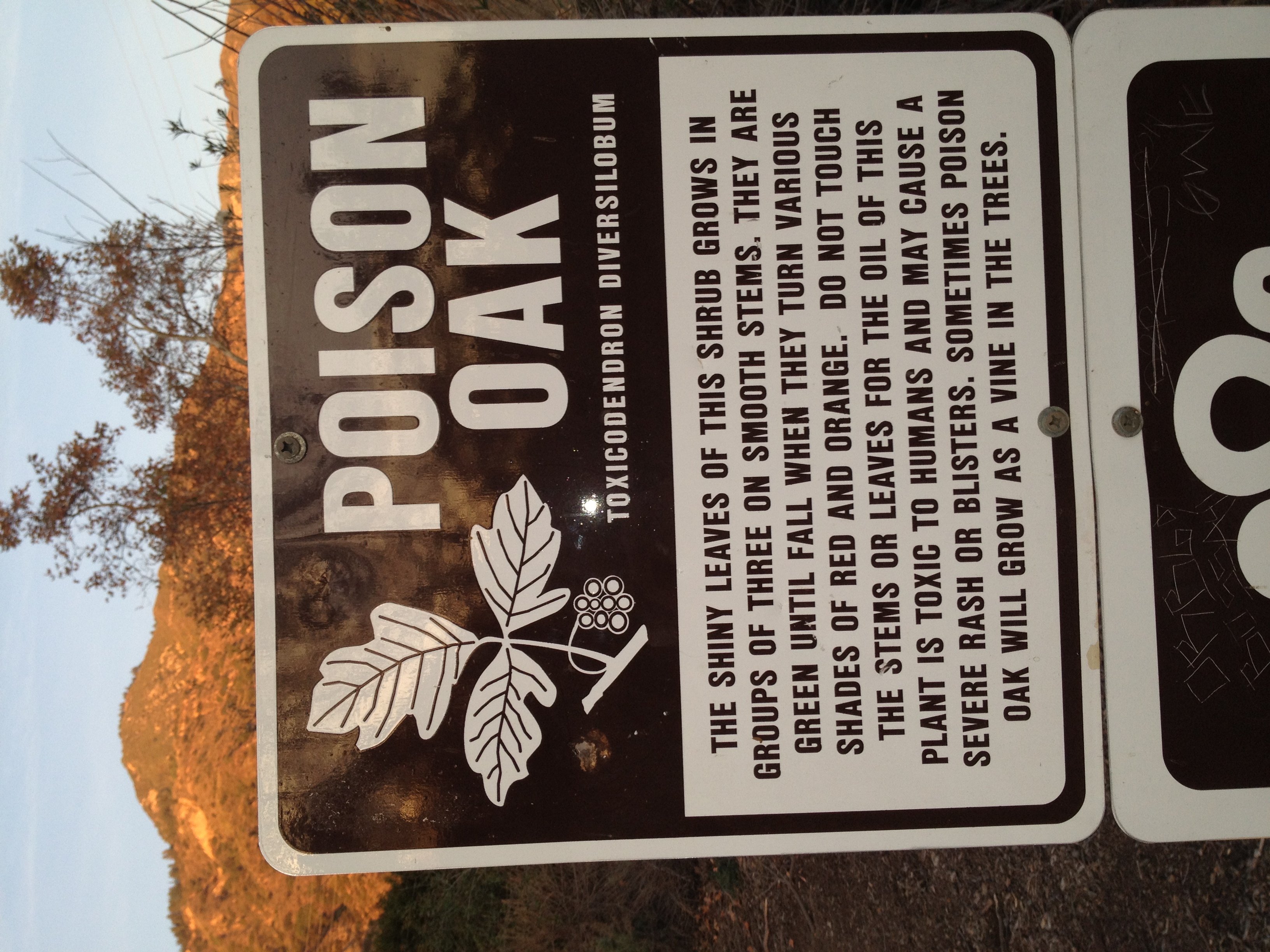
 If you’ve hiked very much in Southern California, you’ve come across poison oak. We’re ‘blessed’ with its presence from Southern California down into Baja. If you’re allergic like most of the population, you’ve dealt with the miserable itching, inflammation and blistering. What makes it so tough is that our most beautiful and drought resistant tree, the California Oak, has a similar leaf and often grows side-by-side with its nasty cousin. To complicate matters, poison oak only requires water once per year to survive, and truly thrives when we have a wet Spring or Summer as we had this past year. Lastly, it has different looks in different environments and can be ground covering, a climbing vine, or a free-standing bush. Yikes.
Our friend Dennis Pikop describes the darkness of this plant as, “Almost a dichotomy; ‘oak’ is marvelous, strong and beautiful while ‘poison’ invalidates all that is beautiful and creates fear.” Well put.
Avoid it
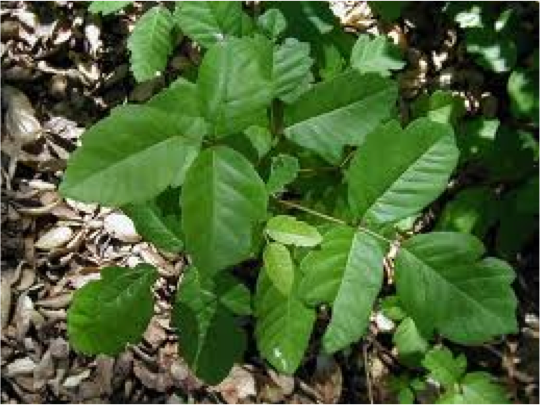 The best defense is to know what the plant looks like and to avoid coming into contact. In early Spring and Summer, it appears green, as you see in this photo. This is its most evil phase, as it blends in perfectly with nearly everything it grows near. Poison oak is the the original Transformer. In its green phase, the only defense is to stay on the trail.
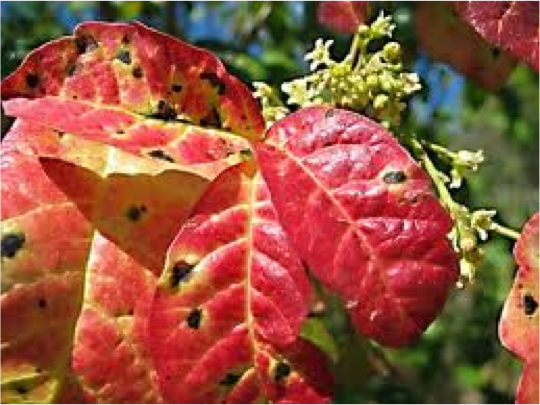 Later in the year, it changes color and becomes the brightest, most colorful plant along the trail. Though the leaves eventually dry out and fall to the ground, they don’t lose any of their effect just because they look ‘dead’. Avoiding this plan means keeping your shoes away from all surfaces that could transfer the oils. There is a theory that everyone is allergic to this plant and it is just a matter of time and exposure…so don’t let anyone tell you, “I’m not allergic.”
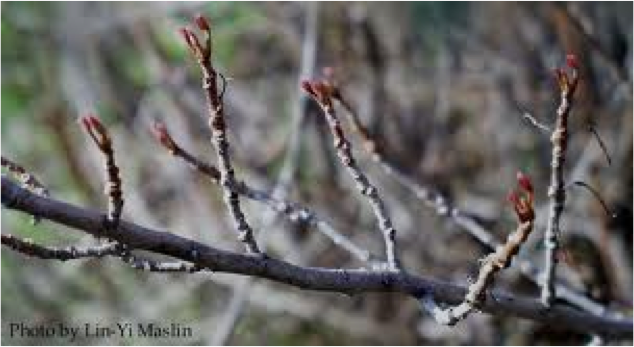 There are stories of poison oak branches used to toast marshmallows ending with a trip to a hospital. It would be hard to overestimate the importance of knowing this plant.
Our preferred methods for avoiding poison oak are to wear pants when we know we can’t avoid contact, and to rinse with water when we think we’ve had contact with our skin. Since we hike often with dogs, we wash our dogs any time we think they’ve been in contact because they won’t be affected, but they’ll certainly pass it to us from their fur.
How it works
 Poison oak has urushiol oil in both its leaves and bark. Once they come into contact with the skin, they bind within minutes or hours (depending on what you read) and can be washed off with a stream of running water and soap. If you don’t have soap, running water is better than nothing at all. Alcohol, contrary to much of the advice on websites, is not a good idea and can make the reaction worse by speeding penetration into your skin. While contact with the oil is necessary to have a reaction, the oil can become airborne due to fire, lawnmowers and weed trimmers. Of course, inhaling the oil can have severe effects.
Treatment
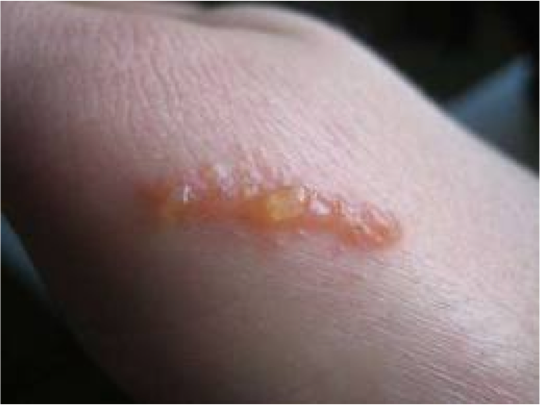 If you’ve been unable to avoid poison oak and you now show the unmistakable watery blisters, don’t panic and be patient…it may take time for it to go away and only after you start the process of drying out the affected area. If you do nothing, you can expect to have the effects for one to two weeks. One danger of doing nothing, however, is infection of any open skin. The treatment of the rash is essentially the same as any other skin rash…through the application of topical cortisone. Severe reactions require medical intervention and may result in oral steroids or a cortisone shot.
Poison ivy
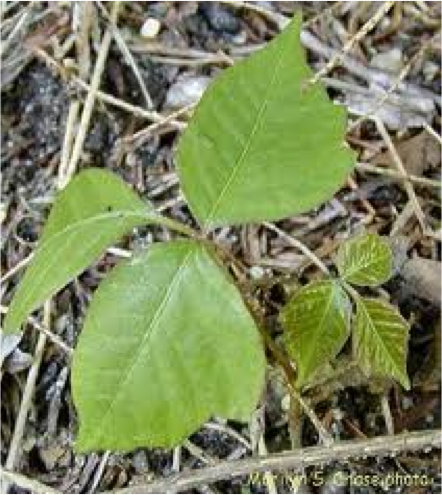 Poison ivy is a similar plant that is found in the Eastern United States that works the same way. Our advice for avoiding poison oak or treating its effects would be the same.
Note: We hope you found this information helpful. The advice here comes from personal experience and is no substitute for the advice of a medical professional.






 maximum adventure
Trackbacks/Pingbacks
[…] For the first time, we were very aware of the strangely-named poodle-dog bush, a plant similar to poison oak that doesn’t make its effects known for 24-36 hours after touching it. We were just as […]
[…] are patches of poison oak on both sides of the trail. They are easily avoidable by keeping to the center, but be […]